





Del gusto, la memoria y otras formas de hacer conocimiento
El 15 de julio del 2026, Antípoda: Revista de Antropología y Arqueología estuvo presente en la exposición El Barrio: la ciencia de vivir juntos
El 15 de julio del 2026, Antípoda: Revista de Antropología y Arqueología estuvo presente en la exposición El Barrio: la ciencia de vivir juntos
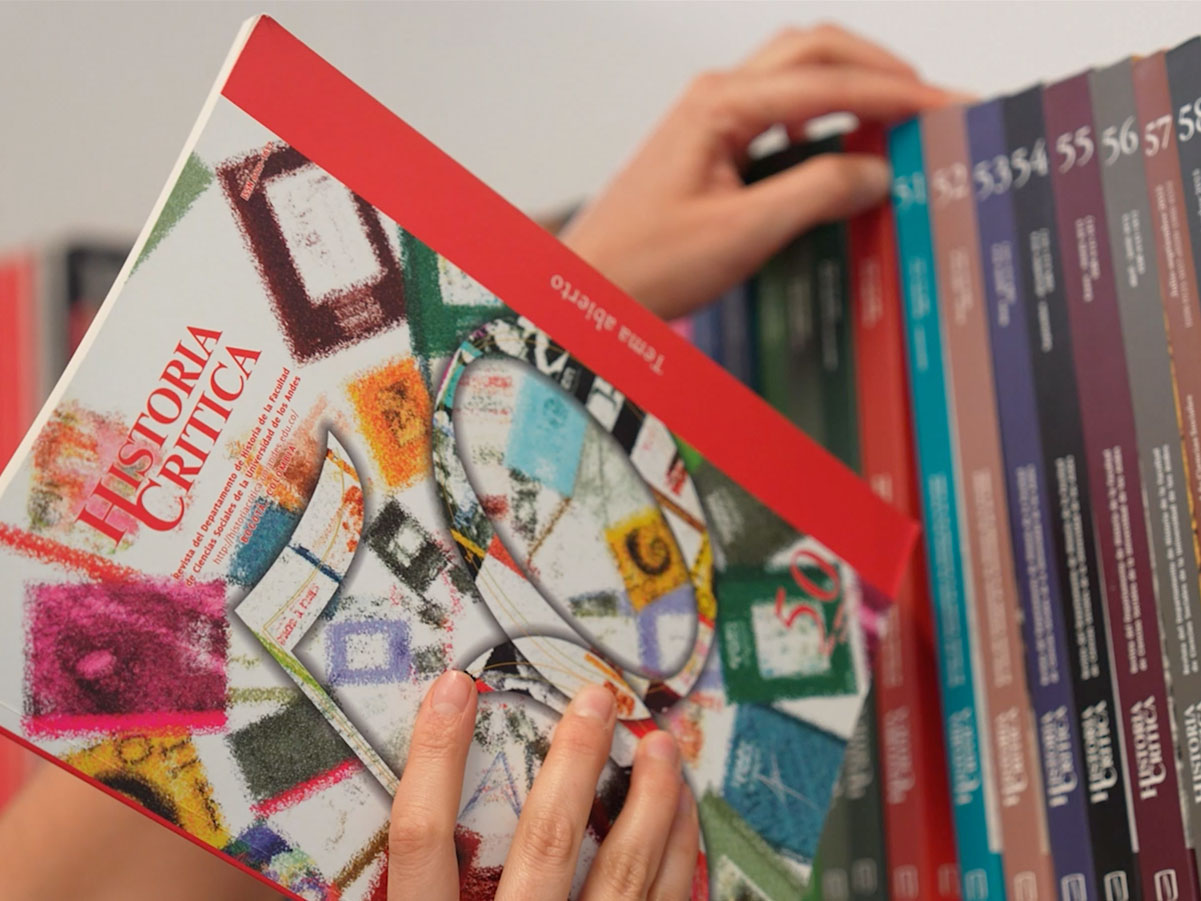
Historia Crítica, revista publicada por el Departamento de Historia y Geografía de la Facultad de Ciencias Sociales de la Universidad de los Andes, celebra un hito académico y editorial: la publicación de su número 100, luego de 37 años de circulación ininterrumpida.

En un contexto en el que el uso de modelos de lenguaje grande (LLM) se está expandiendo aceleradamente, las revistas académicas están enfrentando retos editoriales que desafían la originalidad en los procesos de investigación y creación. Por ende, se hace necesaria la creación de pautas que contribuyan a regular el uso de la IAG, como una herramienta de apoyo.
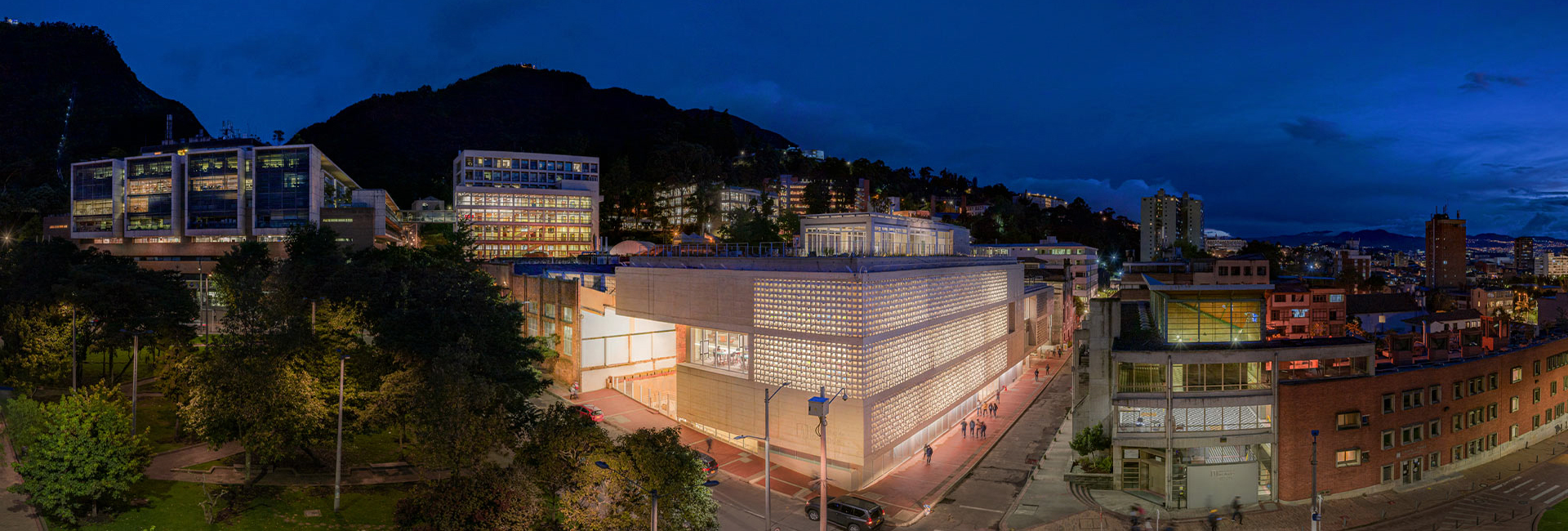
En su esfuerzo por apoyar, potenciar y conectar la producción de conocimiento en la Universidad, además de Revistas Uniandes, la Vicerrectoría cuenta con diferentes unidades que trabajan encaminadas a este mismo fin. De manera articulada, buscan posicionar a Los Andes como referente de innovación y desarrollo en la investigación y creación, a la vez que se proponen generar un impacto significativo sobre las comunidades locales, el debate nacional, la política pública y la realidad colombiana y latinoamericana.
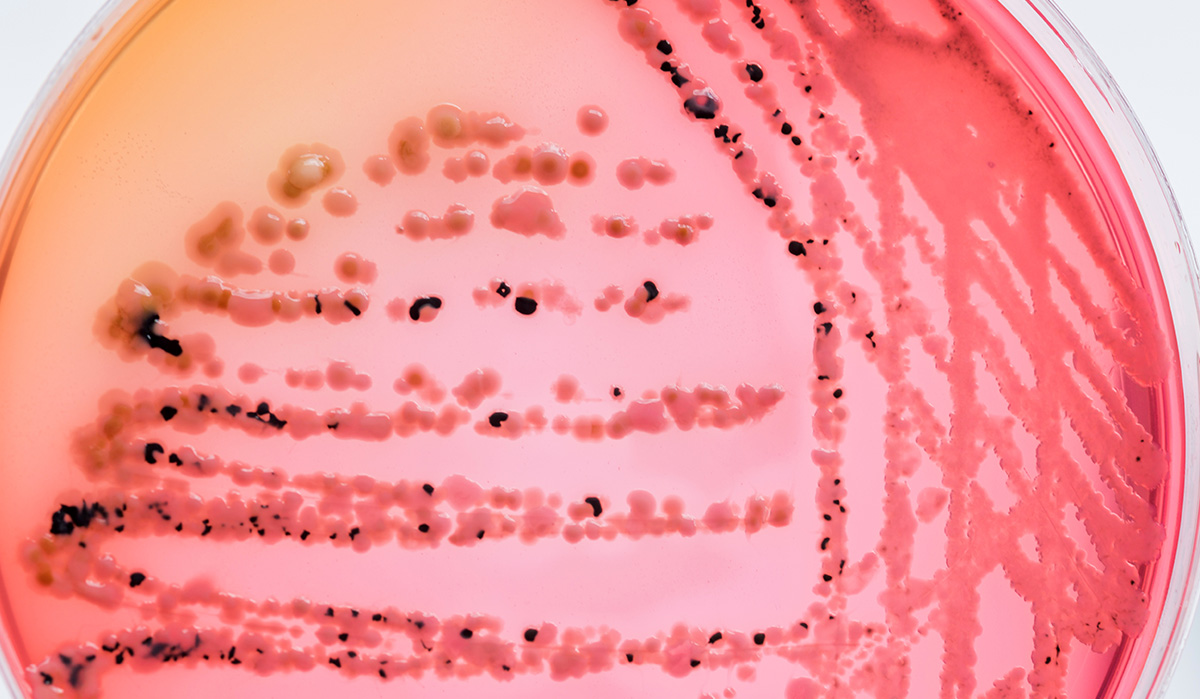
La simbiosis es, según el diccionario, una relación de beneficio mutuo entre organismos. Pero, ¿y si este concepto escapara de la biología y describiera también el intercambio entre saberes, instituciones y experiencias? Así lo vivimos en Biofilia: Aguas que tejen el tiempo, un proyecto donde el arte, la ciencia y la pedagogía se entrelazaron en un laboratorio vivo de ideas y colores microscópicos.

El Ranking Bibliotecas 2024, que evalúa los servicios, contenidos y herramientas web 2.0 de cerca de 4.000 bibliotecas universitarias en 43 países, ubicó al Sistema de Bibliotecas de la Universidad en el primer lugar en Colombia y el segundo en América Latina. El reconocimiento responde a un proceso sostenido de transformación tecnológica, académica y social que ha redefinido el papel de las bibliotecas en la educación superior..